
The Confidence Curve: Benefits by Age
Confidence isn't built overnight it's developed through years of participation in sports. From childhood to older adulthood, girls who stay involved in sports consistently show higher confidence, better mental and physical health, stronger academic outcomes, and lifelong well-being, proving that the benefits of playing extend far beyond the field.
Ages 6–9: Where It All Starts Equal
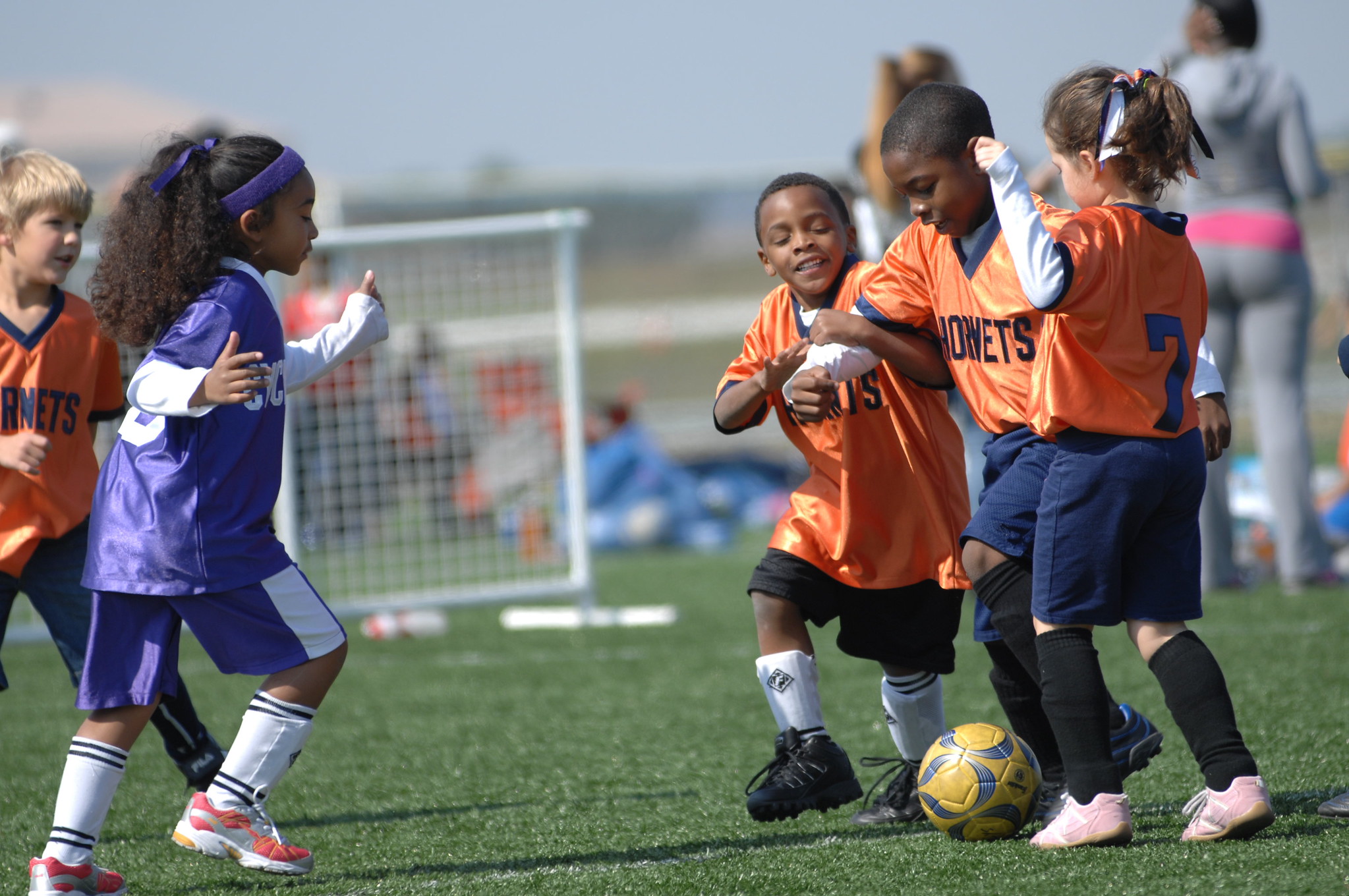
At ages 6–9, girls and boys are equally interested in sports. There's no gap yet — it gets built later, by us.
Ages 10–14: The Drop-Off Zone
By age 14, girls quit sports at 6x the rate of boys — not because they lose interest, but because they stop getting the same encouragement.
Ages 15–18: The Confidence Boom
Girls who play sports report higher confidence at every age — with a major jump in 12th grade that non-athletes never catch up to. Girls with the highest rates of sadness and depression are 27% less likely to be on a sports team. High school girl athletes are more likely to get better grades and graduate than non-athletes.
College Years: Building the Base for Life
College-athlete women report greater body esteem, confidence and mastery than their non-athlete peers — sometimes even more than male athletes report.
Ages 35–45: The Payoff Shows Up
Women who played high school sports show real, measurable mental health improvements decades later — by ages 35–45 — including lower obesity and smoking rates.
Ages 40–70: Still Paying Dividends
Women aged 40–70 who played college sports are more likely to rate their own health as "excellent" — and more likely to still be exercising regularly.
“The takeaway: Confidence built at age 10 is still protecting a woman's health at age 70. Starting early isn't about winning — it's about compounding.”
You might also like
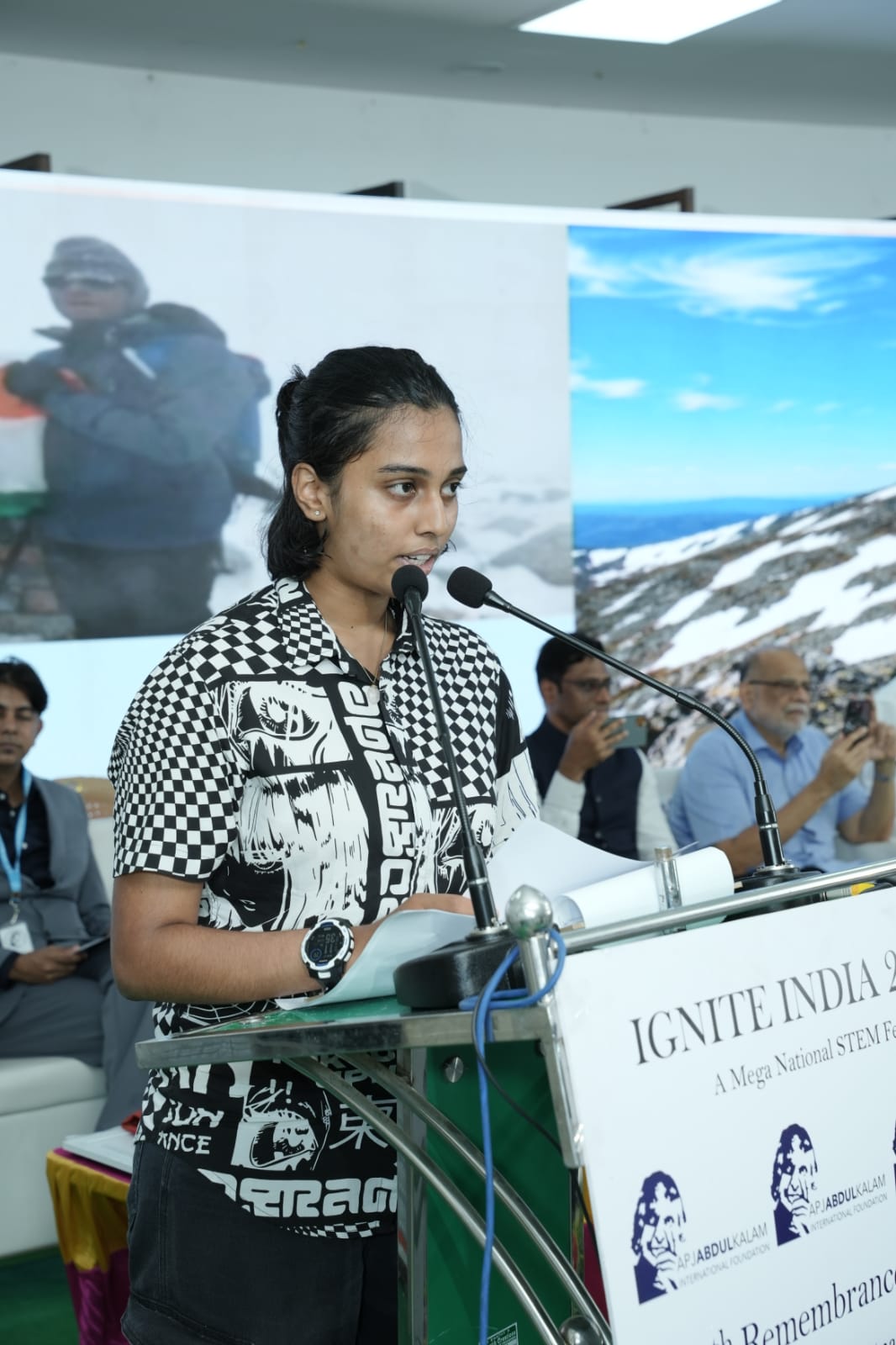
Talks Delivered by Nisha at Global Summits and Schools
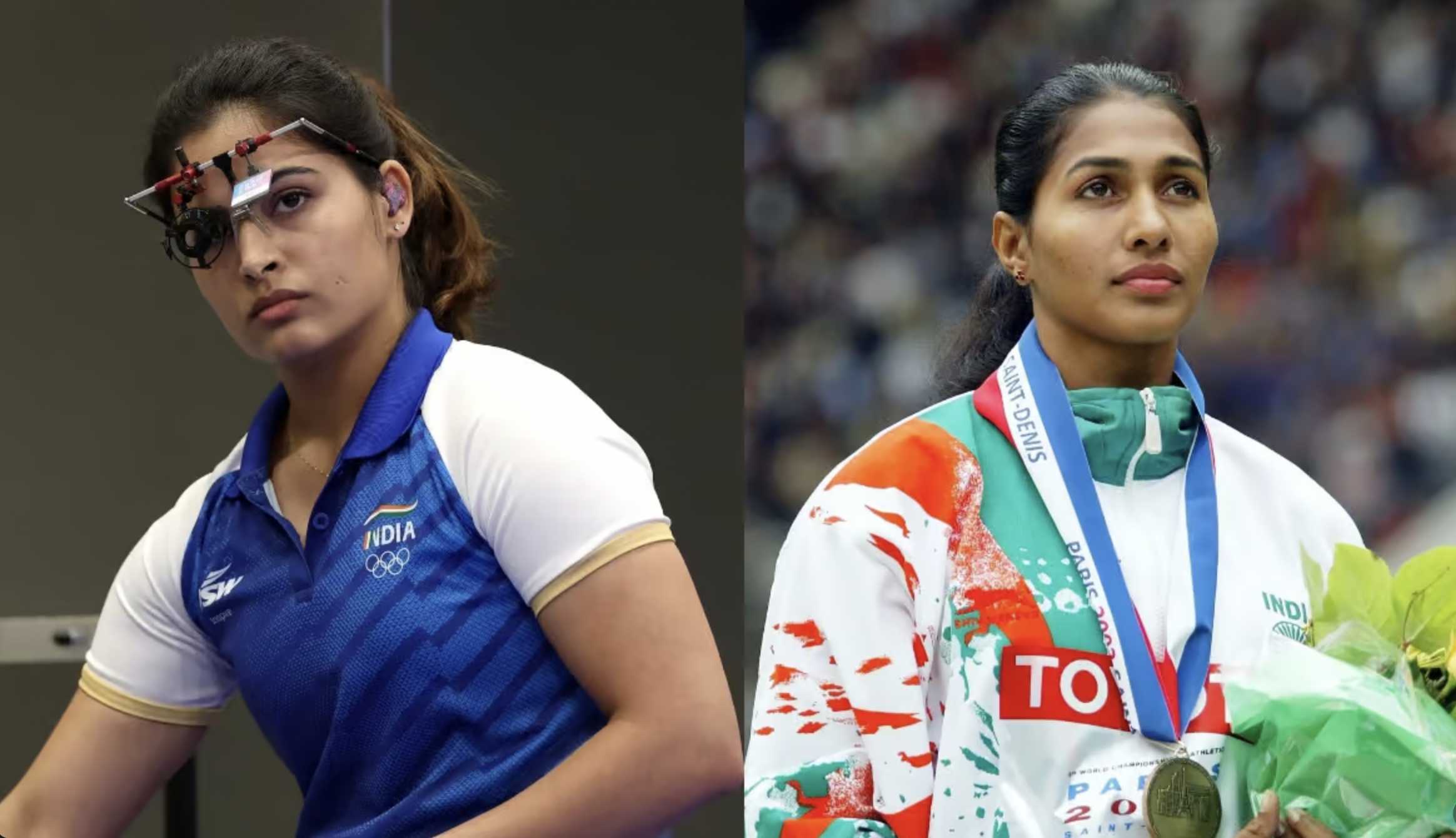
Sports in India which has a trend of increasing female participants
What Girls in India Are Actually Playing (For Fun, Not Trophies)
Inspired?
Come experience it.
Our hikes and talks bring the research to life. Get in touch to discover what sport without pressure actually feels like.